

The five nouns
Workspace
The project container: a Cargo workspace with
graphs/, nodes/, and
schemas/ directories.Node
A unit of computation: a Rust struct annotated with
#[cerulion_node],
compiled to a dynamic library.Graph
A
.yaml file that wires node instances together. Topology only.Topic
A named shared-memory channel, created automatically from your graph wiring.
Schema
The shape of a message: a ROS 2 message type or a workspace-defined schema.
Workspace
A workspace is the project container for everything you build. It is a Cargo workspace plus three Cerulion directories. You create one withcerulion workspace create <name> (or cerulion workspace init in place), and
most commands work by discovering the workspace around your current directory.
my_robot
Cargo.toml
.gitignore
.cargo
graphs
perception.yaml
nodes
camera
detector
schemas
Cargo.toml declares a [workspace] with members = ["nodes/*"],
so every node is its own crate built by the same cargo invocation. Each
directory has one job:
graphs/: one<name>.yamlper graph (the wiring).nodes/: one crate per node type (the code).schemas/: one<Name>.yamlper workspace-defined message shape.
Cerulion discovers a workspace by walking upward for a
Cargo.toml that
contains [workspace] alongside a graphs/ directory. Most node and graph
commands need this; workspace create/init and the topic commands do not.Node
A node is a unit of computation: it reads inputs, does work each time it fires, and writes outputs. You define one as a Rust struct annotated with#[cerulion_node], paired with an adjacent impl block annotated with
#[cerulion_node_impl].
#[input(...)] fields are subscriptions,
#[output] fields are publications. Inside tick(), reading and writing those
fields reads and writes shared memory directly; there is no separate publish or
subscribe call to make. Every node is imported from cerulion_core::prelude and
compiled to a dynamic library (cdylib) so the runtime can load it at run time.
For the full attribute set, see the node macro reference.
Node type vs. node instance
This distinction is the heart of Cerulion’s model.- A node type is the code: the crate under
nodes/<type>/, defined once by the#[cerulion_node]macro. The type declares its ports and its behavior. - A node instance is a use of that type inside a graph: an entry with a
unique
idundernodes:in a graph.yaml. You can stage the same type into a graph more than once, each with its ownidand its own wiring.
Trigger policy lives on the type, not the graph
A node’s trigger policy decides when it fires: every N milliseconds, when data arrives on a trigger input, when several trigger inputs line up in a time window, when every trigger input has an unconsumed message with no time bound at all, or on an external command. This policy is part of the node type. You set it with the#[cerulion_node(...)] macro attributes in src/lib.rs (and, at
scaffold time, with the --policy flag on cerulion node create).
This is deliberate: behavior lives in one place (the code), and the graph stays a
pure description of how instances connect. See
trigger policies for the full grammar and
the defaulting rules.
Graph
A graph is a.yaml file under graphs/ that wires node instances together.
It is the source of truth for topology: which instances exist, and how each
instance’s inputs connect to other instances’ outputs.
nodes: is an instance: id is its unique name, type is the
node-type folder it comes from, and inputs/outputs declare its ports. An
input’s source is written <node_id>/<output_name>. Here, detector’s
image input reads camera’s image output. The optional prefix namespaces
the topics this graph creates; if you omit it, Cerulion resolves it to the host
name at load time.
A graph is named by its file: graphs/perception.yaml is the graph
perception, and that stem is what every surface uses — the run directory, the
bag filename, and the graph= field on log lines. There is no name: key to
keep in sync with it. Every other key is checked: a misspelling is a loud parse
error naming the offending key, never a setting quietly dropped.
You run a graph with cerulion graph run <name>, which loads each instance’s
compiled library, wires the topics, and drives execution. See
wire and run a graph for the workflow.
Topic
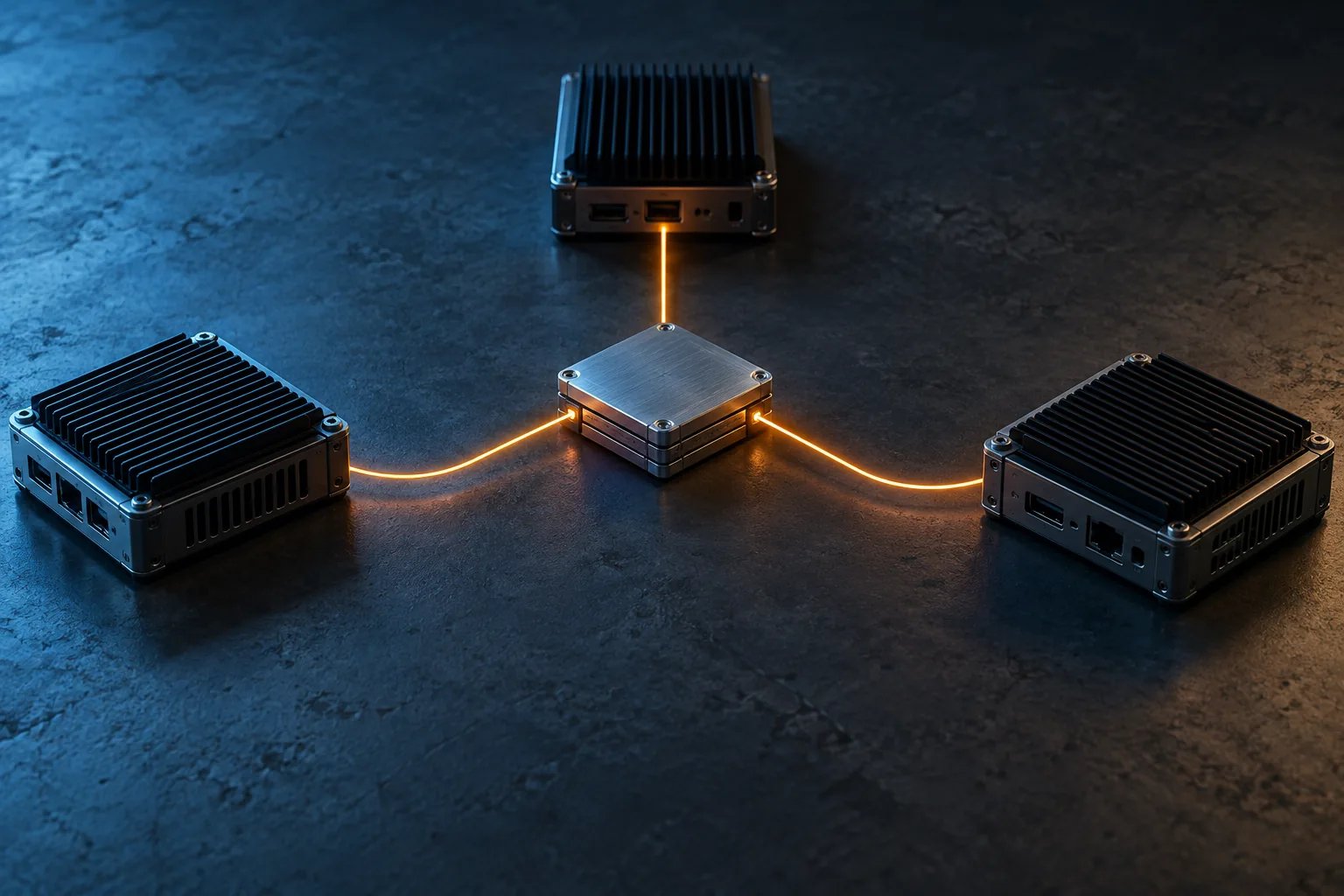
A topic is a named channel that carries messages from a publisher to its subscribers over shared memory. You do not create topics by hand; Cerulion derives them from your graph wiring. Whendetector’s image input reads
camera/image, the runtime sets up the underlying shared-memory channel for you.
Topics are how you observe a running system from the outside. Because discovery
happens through the shared-memory transport, the topic commands work without a
workspace:
cerulion topic list: show active topics — local ones first, then the robots and topics it finds on the network.cerulion topic echo <topic>: print messages as they arrive.cerulion topic hz <topic>: measure the publish rate.
/<prefix>/<node_id>/<output_name>, for
example /robot1/camera/image. Inside a graph file you write the short
camera/image form, which resolves under the graph’s prefix. An output can also
pin an absolute topic: of its own.
See inspect topics for the full set.
Schema
A schema is the shape of a message: its fields and their types. A schema gives a topic a known layout so publishers and subscribers agree on what the bytes mean. Cerulion gives you two sources of schemas:- ROS 2 message types from the
native_ros2_messagescrate, for examplesensor_msgs/Imageorgeometry_msgs/Vector3. Import them withuse native_ros2_messages::<package>::<Type>;. These cover the common robotics message families out of the box. - Workspace schemas you define yourself under
schemas/<Name>.yaml, created withcerulion schema create <name>, for message shapes specific to your project.
How it runs
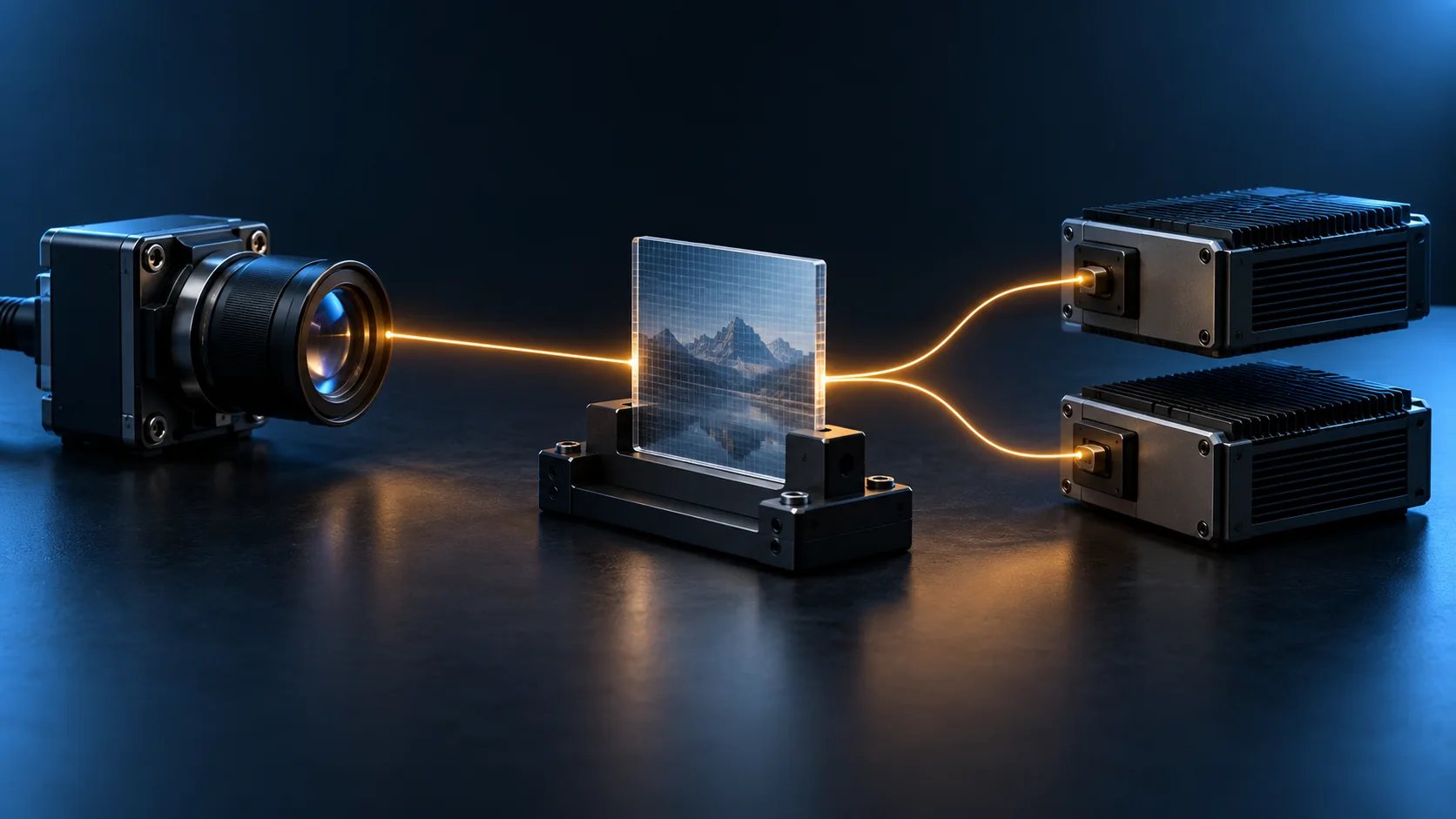
Putting the nouns together: you write node types, wire instances of them in a graph, and run the graph. The graph determines the topology; each node’s trigger policy determines when it fires; the runtime moves messages between instances over topics carrying typed schemas. On Unix, a live run also splits itself across worker processes — one per process group — so a crashed node takes down its group instead of the robot, with execution identical to a single process. See Run a graph across processes. Two properties of that runtime are worth understanding as benefits, even though you never configure them directly.Zero-copy
Determinism
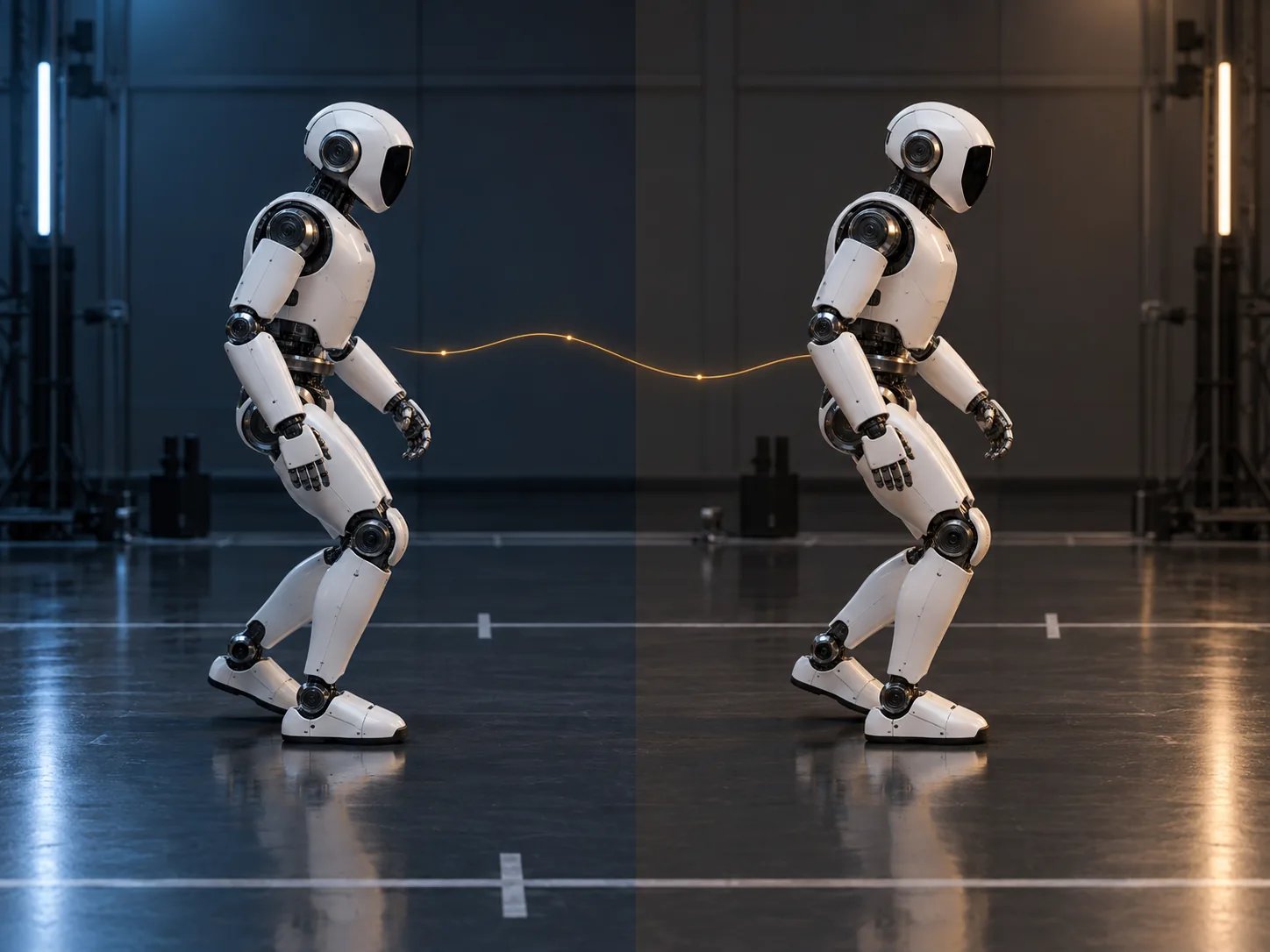
--time-source real, the default) wakes
within microseconds of a publish; --time-source virtual steps a deterministic
clock instead, for tests and benchmarks. Either way the ordering is a property
of the graph, which is what makes a recorded run re-executable: re-run your
nodes against a bag and --verify byte-compares the result against what the
robot actually produced. See
Execution order for the levels, trigger policies,
process layout, and clock choices you can inspect and control.
The practical benefit is reproducibility: you debug a timing issue once and
reproduce it exactly. See
Record and replay a run and
Why Cerulion.
Next steps
Why Cerulion
How Cerulion compares to ROS 2 and the performance story behind zero-copy.
Execution order
See how your graph determines levels, triggers, clocks, and process layout.
Define a node
Create a node type, add ports, choose a trigger policy, and write
tick().Wire and run a graph
Stage instances, wire inputs, validate, and run.
Record and replay a run
Bag a run, inspect it, and re-execute your nodes against it.
CLI reference
Every command and flag, in one place.